Patenting Trends in Oligonucleotide Delivery: A Key Indicator of Biotechnology Innovation
Study conducted by ROBIC, 2026
Oligonucleotide and nucleic acid-based therapeutics are attracting growing interest in the biotechnology sector, particularly because of their potential to more directly address certain genetic causes of disease. However, their development still largely depends on overcoming one key challenge: delivery. This article provides an overview of recent patenting trends in this area, highlighting filing activity, key target markets, and the role of industry, academic, and research organizations in driving innovation.
Why Delivery Is Essential to the Potential of Oligonucleotide Therapeutics
Oligonucleotide and nucleic acid-based therapies represent a diverse and rapidly growing therapeutic modality. Traditional small molecules generally target proteins and are inherently limited because both their target and pharmacokinetic profile are determined directly by their structure. In contrast, oligonucleotide therapeutics are informational medicines that leverage natural Watson-Crick base pairing to target complementary RNA or DNA sequences (or for the synthesis of specific proteins in the case of mRNA vaccines), while their pharmacokinetic properties can be optimized independently through chemical modifications, often with minimal impact on targeting. By targeting RNA or DNA, oligonucleotide therapeutics can often address the underlying causes of diseases with a genetic component rather than merely treating symptoms. This enables very low doses and extended dosing intervals, thereby minimizing side effects and burden on patients.
Although nucleic acid chemistry has been well established for more than 70 years, the approval of oligonucleotide therapeutics has long been hindered by a persistent challenge: delivery. Due to their large size, high charge density, that are often recognized by the immune system, oligonucleotides have historically suffered from systemic delivery challenges. Recent successes with siRNA therapeutics, mRNA vaccines, and emerging gene-editing platforms have been driven in large part by advances in delivery technologies, particularly conjugation strategies (notably GalNAc) and lipid nanoparticle (LNP) formulations.
It should be noted that although the term “oligonucleotide” typically refers to short nucleotide sequences (approximately 10–30 nucleotides), the terms “oligonucleotide” and “nucleic acid-based” are used interchangeably throughout this article for simplicity, despite differences in sequence length among the various therapeutic mechanisms of action.
Methodology: How Patent Trends Were Analyzed
As oligonucleotide therapeutics encompass a wide range of mechanisms of action, the patent landscape analysis included patents relating to:
- oligonucleotide therapeutics (antisense oligonucleotides (ASOs), small interfering RNAs (siRNAs), microRNAs (miRNAs), aptamers, and immunomodulatory oligonucleotides (CpG oligonucleotides));
- gene-editing systems (CRISPR, prime editing, base-editing vectors, and constructs for genetic modification); and
- mRNA vaccines.
In addition, the search was also simultaneously directed towards patents in the files of delivery technologies including nanoparticles, liposomes, conjugates (GalNAc, peptides, antibodies, etc.), and exosomes. The analysis was conducted using Orbit Intelligence to identify technologies specifically intended for the delivery of nucleic acid-based therapeutics.
Patenting Activity Has Accelerated Rapidly Since 2021
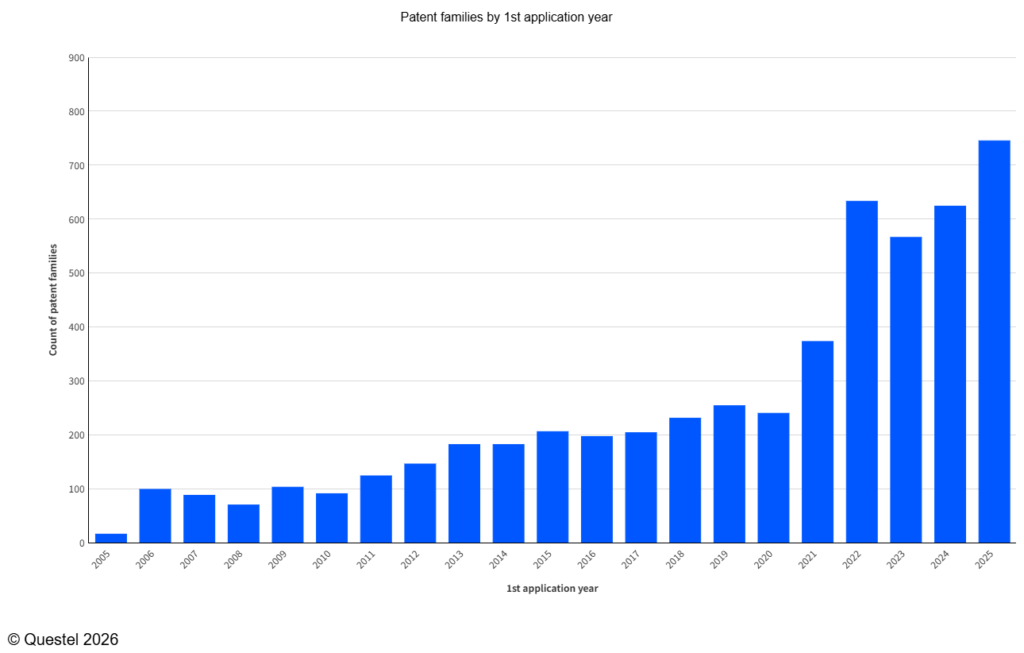
Using the search strategy described above, approximately 5,750 patent families published between 2005 and 2025 were identified. As illustrated in Figure 1, the number of patent families grew relatively slowly throughout the 2000s and 2010s before accelerating sharply beginning in 2021. This growth likely reflects several important developments in the field, including the clinical success of GalNAc-siRNA conjugates in the late 2010s and skyrocketing in investment in mRNA vaccines during and after the COVID-19 pandemic.
Notably, patent families related to nucleic acid delivery reached an even more pronounced peak in 2022 and continued to increase steadily through 2025. As patent applications remain unpublished for 18 months after filing, filing data for 2024-2025 is likely underrepresented.
Fig. 1: Number of filings per year
Where Innovation Is Concentrated: Key Filing Territories
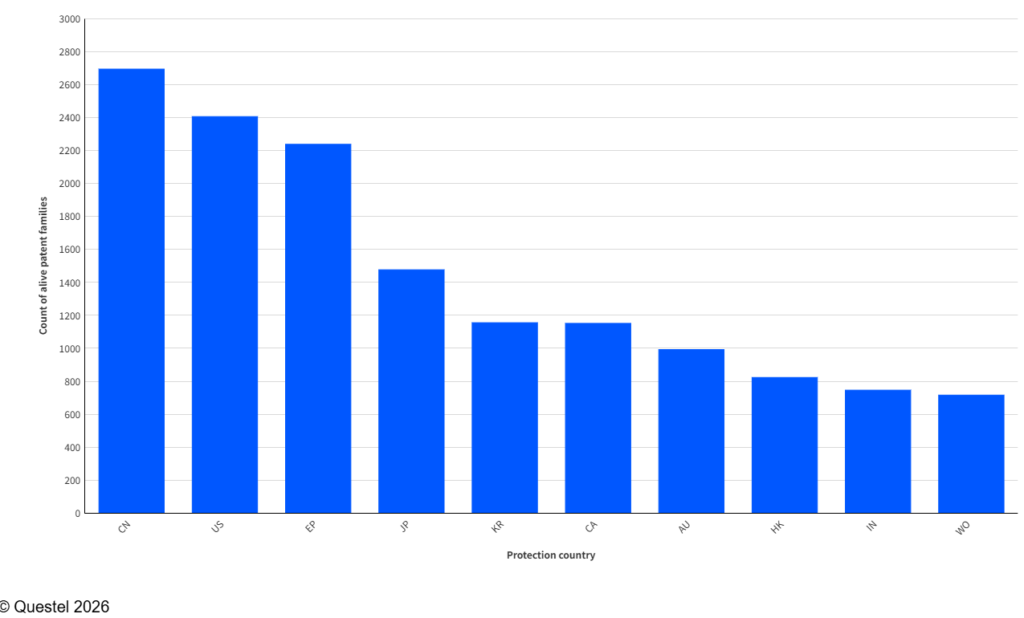
Figures 2 and 3 show active patent families since 2005 by geographic region. These figures reveal that China occupies a leading position with approximately 2,700 patent families in the field, closely followed by the United States and Europe with roughly 2,400 and 2,250 patent families, respectively. Canada ranks sixth globally, essentially tied with South Korea at approximately 1,150 patent families each.
Despite its relatively modest biotechnology sector, Canada’s sixth-place ranking reflects the strength of its research ecosystem, particularly academic research (discussed further below), and its long history of contributions to oligonucleotide therapeutics and delivery technologies. This strong scientific foundation provides opportunities for Canadian organizations to develop and commercialize delivery platforms in collaboration with domestic and international partners. These filing trends also illustrate the importance of strategic patent landscaping. Beyond simply monitoring patent filings, technology landscaping and preliminary patentability or freedom-to-operate analyses can help inform R&D, collaboration, and intellectual property strategies in a rapidly evolving field.
Fig. 2: Patent applications in force worldwide
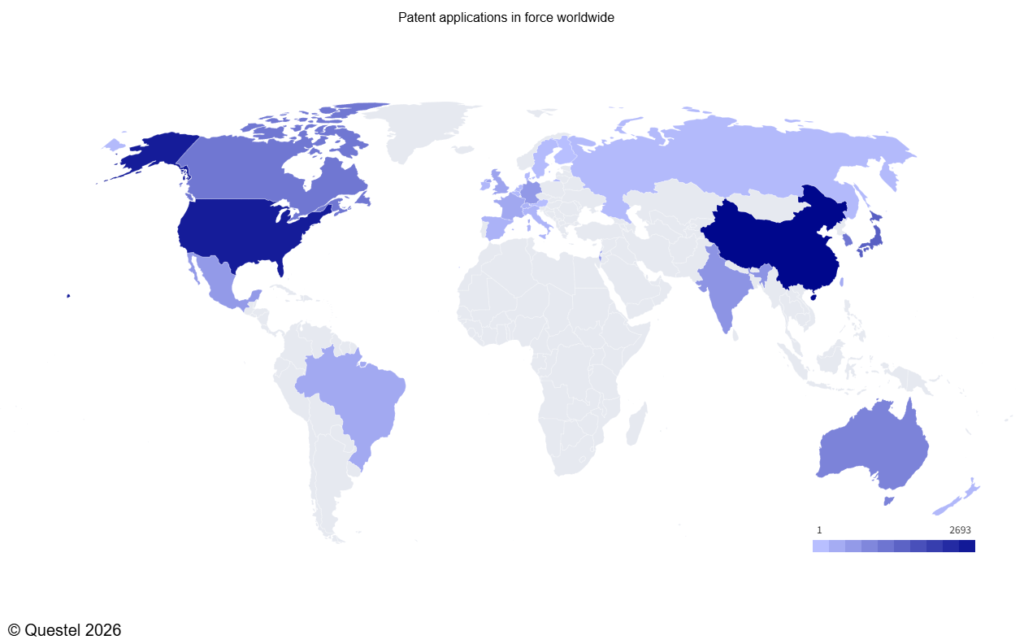
Fig. 3: Patent families in force by country of protection
Industry and Academia: Who Is Shaping the Patent Landscape?
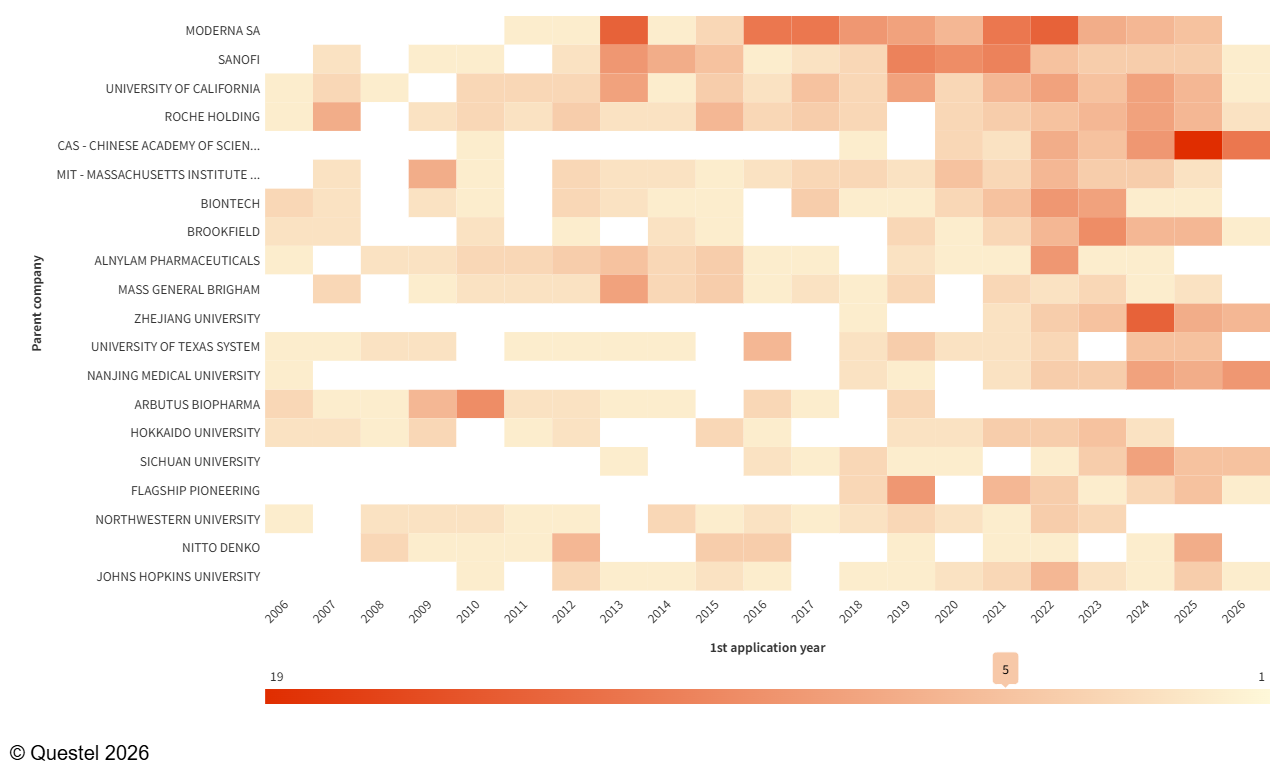
Figure 4 presents the top twenty applicants in the oligonucleotide delivery field. Unsurprisingly, major pharmaceutical and biotechnology companies such as Moderna, Sanofi, BioNTech, Roche and Alnylam rank among the leading filers. However, despite the rapid increase in patenting activity from companies such as Moderna, Sanofi, and Roche as indicated in Figure 5, our analysis indicated that approximately 55% of patent applications associated with the top 50 organizations over the past 20 years originated from academic institutions, several of which rank among the ten most active applicants.
This demonstrates the fundamental role that universities and research institutions continue to play in advancing oligonucleotide delivery technologies, particularly in the United States, China, and Canada. For organizations seeking to enter the field, this strong academic presence can create opportunities for licensing, sponsored research, co-development of delivery platforms, and validation of technologies in targeted therapeutic indications. Such collaborations can help accelerate the translation of academic innovations into clinical and commercial solutions.
Fig. 4: Patent families by application/parent company
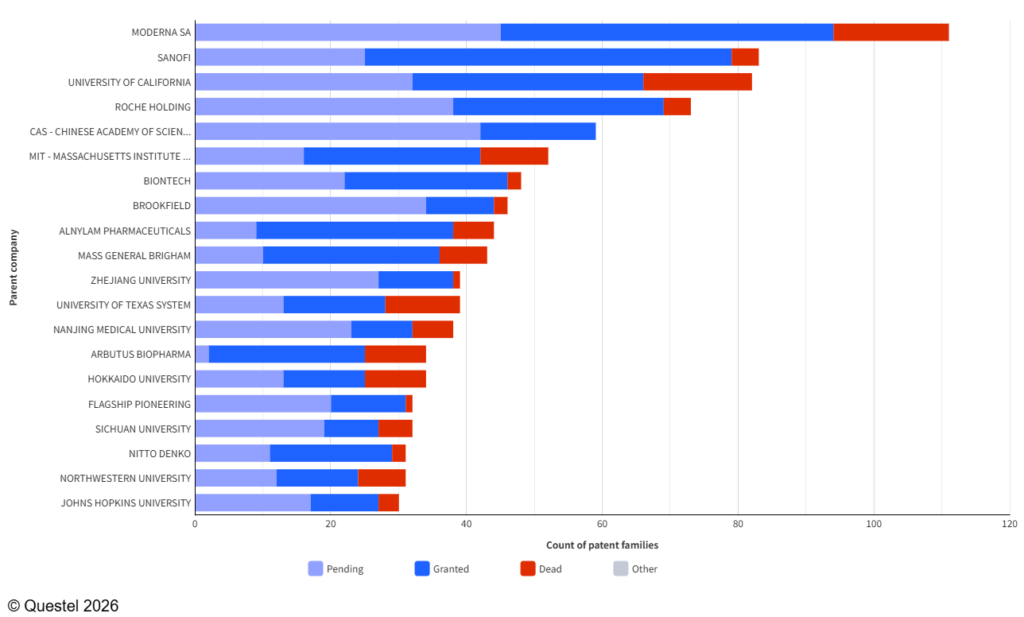
Fig. 5: Patent families by year of filing and by applicant/parent company
Priority Markets for Canadian, European, and American Applicants
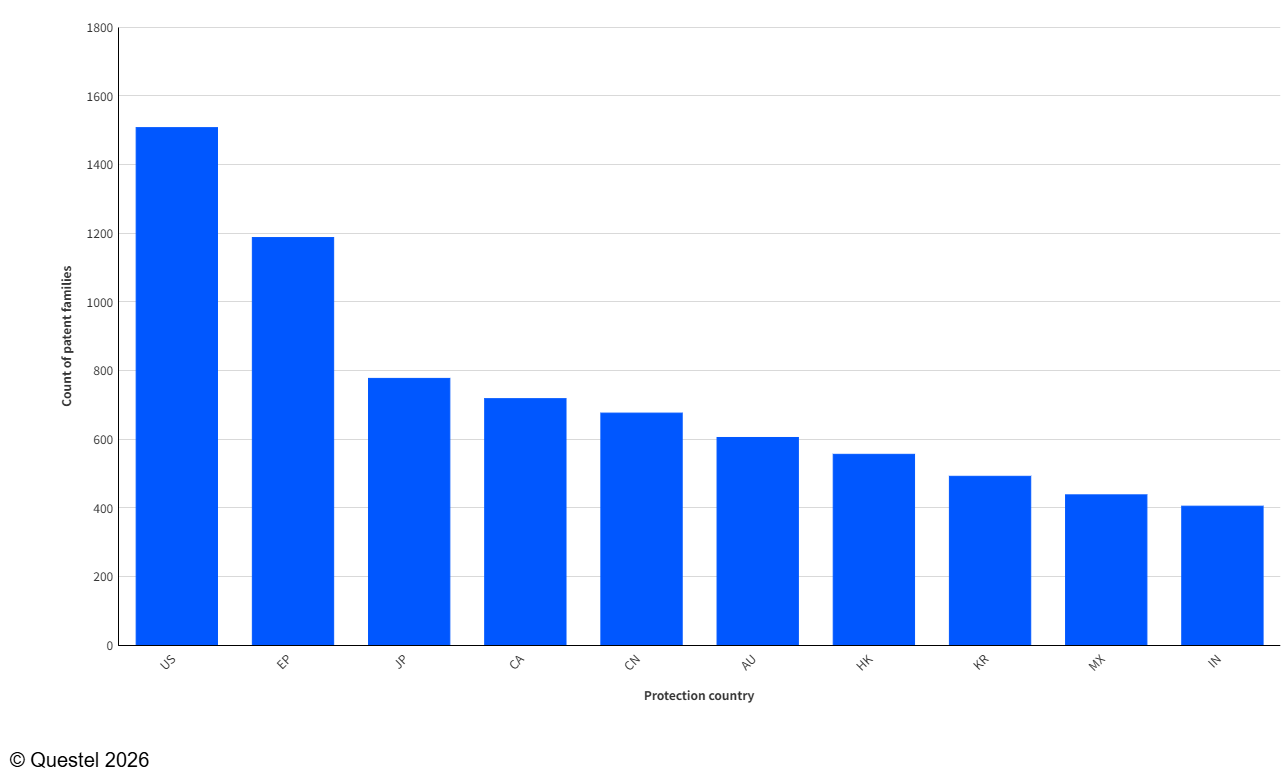
As shown in Figures 6A, 6B, and 6C, Canadian, European, and American applicants generally target the same major markets, namely Europe, the United States, China, Japan, and Canada. Europe and the United States consistently occupy the top two positions, although their order varies depending on the applicant’s region of origin. Unsurprisingly, European applicants prioritize Europe first and the United States second, while American applicants exhibit the opposite pattern. Canadian applicants also prioritize Europe and the United States but rank Canada as their third most important filing destination. Canada ranks fourth among American applicants and remains among the top five destinations for European applicants, underscoring the continuing importance of the Canadian market for nucleic acid-based therapeutics and associated delivery technologies.
These filing priorities largely reflect the size and maturity of the pharmaceutical markets involved, the presence of established clinical and regulatory ecosystems, and the commercial potential associated with innovative therapies. Europe and the United States remain essential markets because of their economic significance, structured regulatory frameworks, and ability to support the adoption of new therapeutic modalities. China and Japan are also strategic markets due to their growing life sciences sectors and large patient populations. Canada’s position among the leading filing destinations reflects both its active research ecosystem, specialized biopharmaceutical market, and continuing role in North American intellectual property strategies.
Fig. 6A: Patent families in force by protection country – Canadian applicants
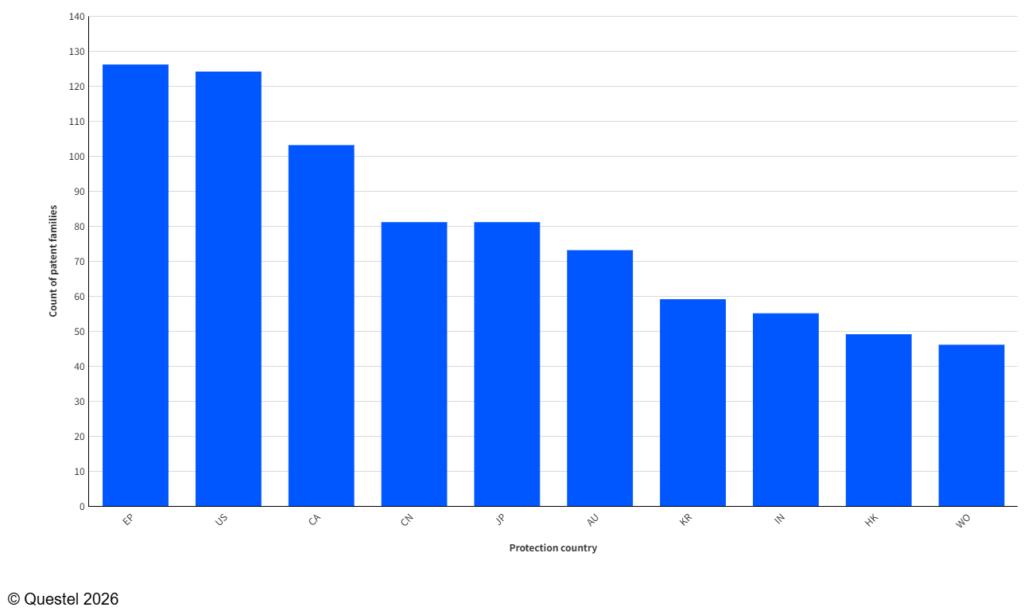
Fig. 6B: Patent families in force by protection country – European applicants
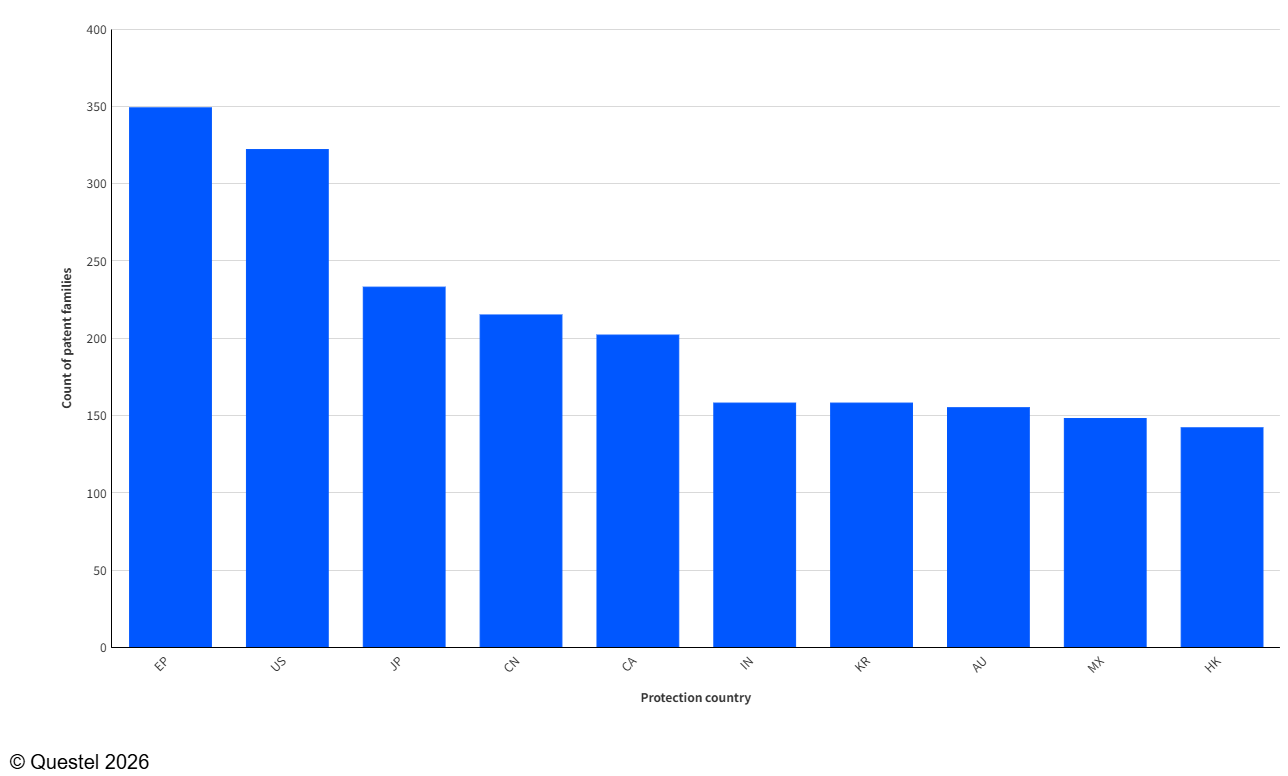
Fig. 6C: Patent families in force by protection country – American applicants
Canada’s Position: An Ecosystem Driven by Research and Delivery Platforms
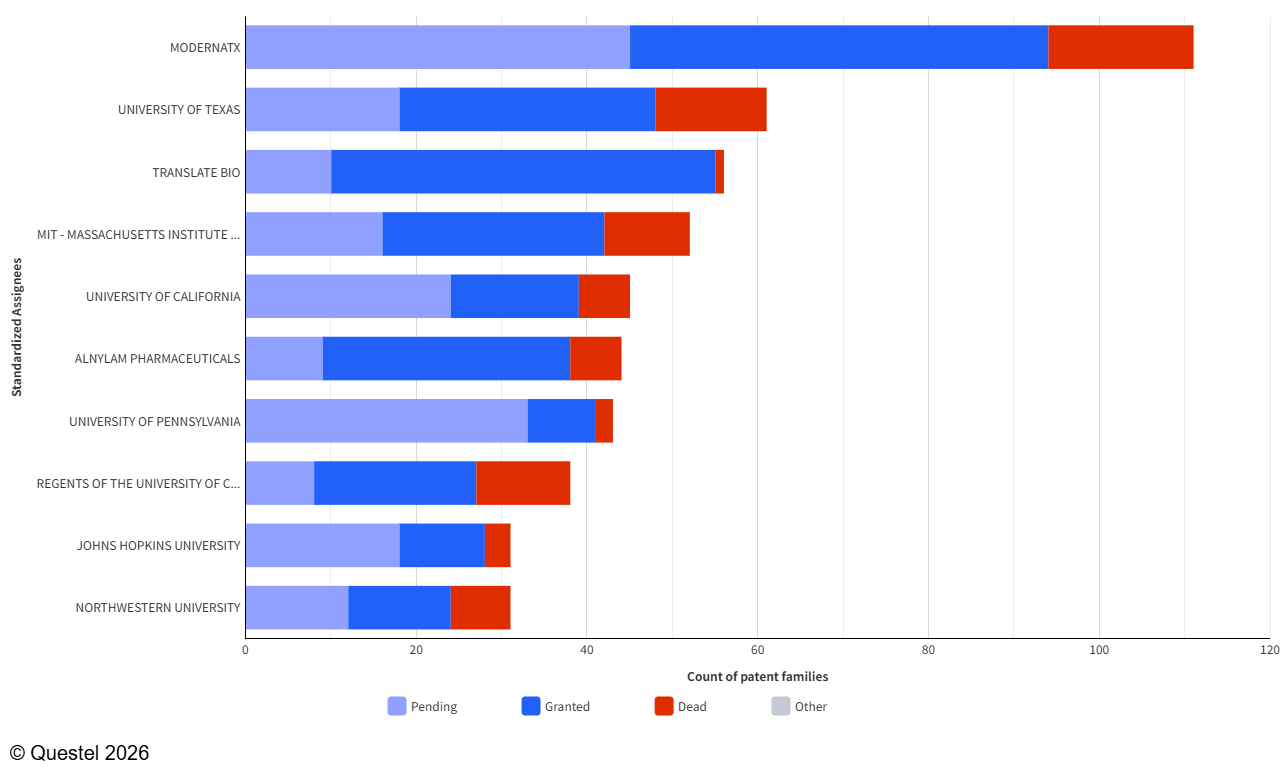
Figures 7A, 7B, and 7C present the leading Canadian, European, and American applicants, respectively. These include both small and large companies, as well as public research institutions and universities.
British Columbia stands out in Canada through globally recognized organizations such as Arbutus Biopharma, Acuitas Therapeutics, the University of British Columbia, and Nanovation Therapeutics. Interestingly, both Acuitas and Nanovation are built around LNP delivery platforms that are independent of any specific therapeutic target and collaborate extensively with pharmaceutical companies. This suggests a significant market opportunity for Canadian organizations interested in developing oligonucleotide therapeutics and enabling delivery technologies.
While British Columbia has led the way in delivery-focused companies, recent investments in Québec’s nucleic acid ecosystem, including the landmark $165 million investment in McGill University’s DNA to RNA (D2R) program and Moderna’s recent opening of a state-of-the-art mRNA vaccine manufacturing facility in Laval, represent important milestones for the province and create significant opportunities for continued growth in nucleic acid therapeutics and delivery technologies. As delivery technologies become increasingly important differentiators in the development of oligonucleotide and nucleic acid-based therapeutics, these investments may help position Québec organizations within one of the fastest-growing segments of the biotechnology sector.Canada’s Position: An Ecosystem Driven by Research and Delivery Platforms
Figures 7A, 7B, and 7C present the leading Canadian, European, and American applicants, respectively. These include both small and large companies, as well as public research institutions and universities.
British Columbia stands out in Canada through globally recognized organizations such as Arbutus Biopharma, Acuitas Therapeutics, the University of British Columbia, and Nanovation Therapeutics. Interestingly, both Acuitas and Nanovation are built around LNP delivery platforms that are independent of any specific therapeutic target and collaborate extensively with pharmaceutical companies. This suggests a significant market opportunity for Canadian organizations interested in developing oligonucleotide therapeutics and enabling delivery technologies. While British Columbia has led the way in delivery-focused companies, recent investments in Québec’s nucleic acid ecosystem, including the landmark $165 million investment in McGill University’s DNA to RNA (D2R) program and Moderna’s recent opening of a state-of-the-art mRNA vaccine manufacturing facility in Laval, represent important milestones for the province and create significant opportunities for continued growth in nucleic acid therapeutics and delivery technologies. As delivery technologies become increasingly important differentiators in the development of oligonucleotide and nucleic acid-based therapeutics, these investments may help position Québec organizations within one of the fastest-growing segments of the biotechnology sector.
Fig. 7A: Patent families by assignee – Canadian
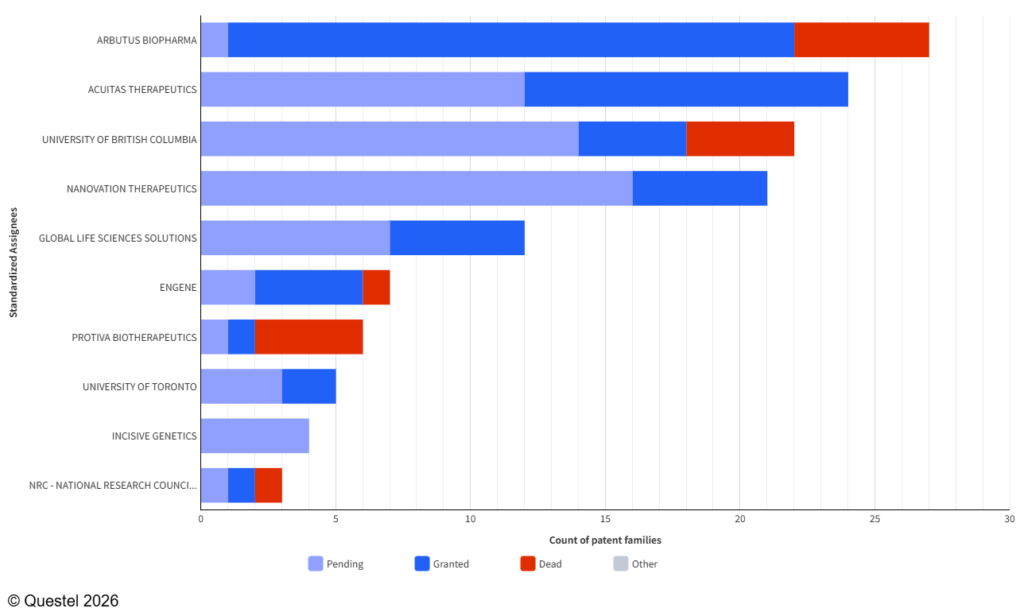
Fig. 7B: Patent families by assignee – European
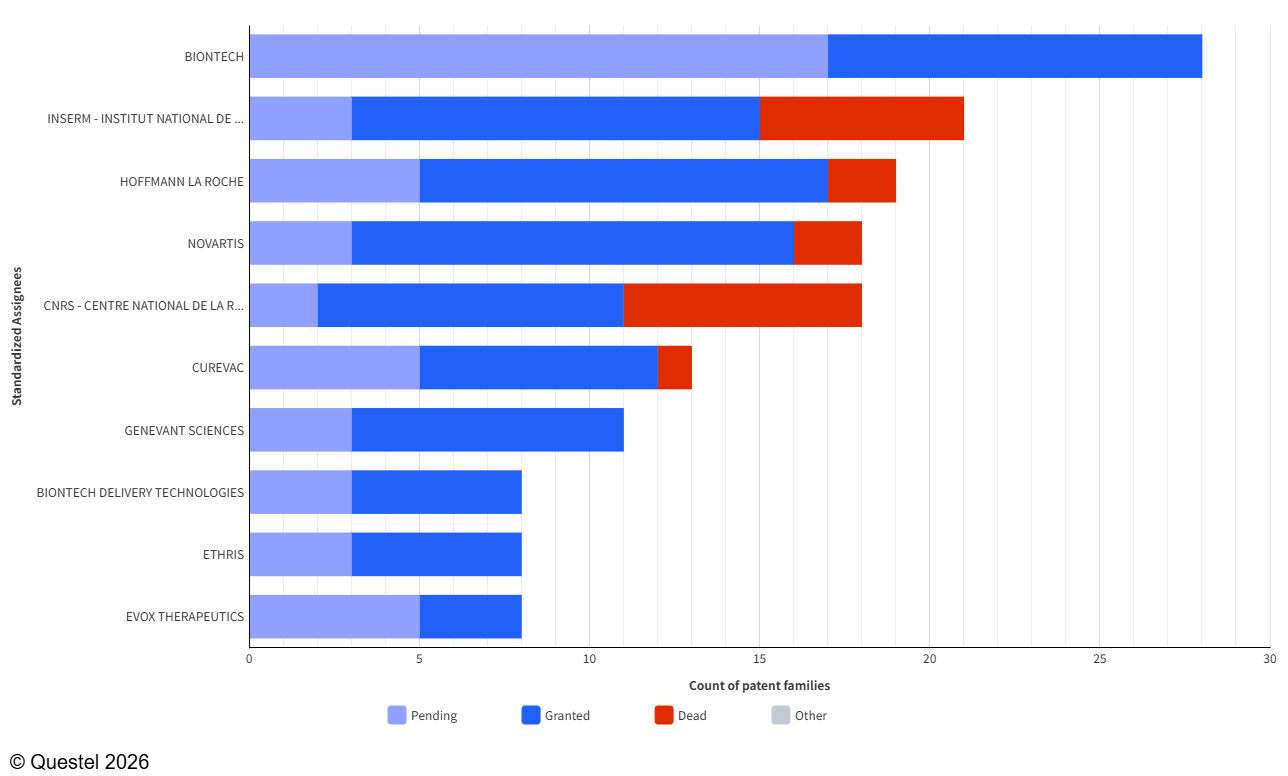
Fig. 7C: Patent families by assignee – American
Conclusion: Protecting Innovation in a Rapidly Evolving Field
The global success of mRNA vaccines during the COVID-19 pandemic, combined with the remarkable effectiveness of the GalNAc conjugation platform, has elevated nucleic acid-based therapeutics to the forefront of emerging therapeutic modalities, while delivery remains one of the most important challenges to overcome. Over the past two decades, patent activity relating to the delivery of oligonucleotide and nucleic acid-based therapeutics has grown substantially, reflecting the increasing importance of delivery technologies as nucleic acid medicines have progressed from promising concepts to approved therapeutic products.
As oligonucleotide therapeutics expand into new indications and therapeutic modalities, delivery technologies will remain at the heart of innovation. For Québec and Canadian organizations, this represents an opportunity to develop, protect, and commercialize technologies capable of addressing one of the most significant challenges facing nucleic acid-based medicines.

About ROBIC
ROBIC supports organizations throughout the lifecycle of their intellectual property assets, from strategy and protection to commercialization and enforcement. In a field where innovation is evolving rapidly and where filing, collaboration, and commercialization strategies are closely interconnected, an integrated approach can help guide R&D decisions, assess innovation opportunities, structure collaboration or licensing agreements, and maximize the value of patent portfolios.

About the author, James Thorpe
Linked In
James Thorpe is a patent technical advisor in ROBIC’s ChemLife group. He holds a Ph.D. in bioorganic chemistry from McGill University and assists innovators in the chemical, biotechnology, and life sciences sectors in protecting their innovations. His research on the development of sustainable methods for synthesizing nucleic acid-based therapies has given him a deep understanding of the scientific and intellectual property issues specific to emerging technologies in the sector.
Translated with DeepL.com (free version)
For more information about this study and about ROBIC’s activities regarding intellectual property, please write to brevpat@robic.com